
How to Reduce Waste with a Laboratory Glassware Washer: A Sustainable Approach
In today’s world, sustainability is a top priority for individuals and businesses alike. One area that may not immediately come to mind when thinking about waste reduction is the laboratory setting. Laboratories are essential for research, education, and development, but they can also produce significant amounts of waste, especially in terms of consumables like glassware, plastics, and chemicals. However, one effective solution is to reduce waste with a laboratory glassware washer.

What is a Laboratory Glassware Washer?
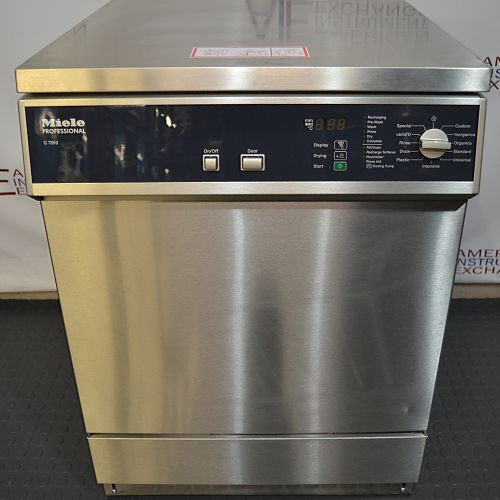
A laboratory glassware washer is a specialized machine designed to clean laboratory glassware such as beakers, flasks, test tubes, and other glass instruments used in experiments. These washers use high-pressure water, detergents, and sometimes sterilization techniques to thoroughly clean glassware, allowing it to be reused multiple times.
But how does this contribute to waste reduction? Let’s dive into the details.
1. Minimizing Single-Use Items
Many laboratory settings rely heavily on disposable items like plastic pipettes, plastic bottles, or even single-use glassware for experiments. While these items may seem convenient, they contribute significantly to waste. By using a glassware washer, laboratories can reduce their dependency on disposable glassware. Reusing glassware after it is properly cleaned is an eco-friendly alternative, as it decreases the need for constant replacement and disposal of single-use items.
2. Reducing Chemical Waste
Cleaning laboratory glassware by hand often requires large amounts of chemical detergents, solvents, and cleaning agents, which can be wasteful. Laboratory glassware washers, on the other hand, are designed to use minimal amounts of these chemicals, while still ensuring that the glassware is effectively cleaned. Modern washers often feature eco-friendly programs that optimize water and detergent usage, thus reducing the environmental impact.
In addition, many glassware washers are capable of using a closed-loop water system, which allows for water to be reused in multiple cleaning cycles. This means that less water and chemicals are required, contributing to the overall reduction of chemical waste.
3. Decreasing Energy Consumption
Traditional handwashing or manually cleaning laboratory glassware can be energy-intensive. For instance, hot water, steam, or drying ovens are often required for cleaning and sterilization. With a laboratory glassware washer, energy consumption can be minimized. Many machines are designed with energy-efficient settings, reducing the need for high temperatures or extended drying periods. This translates into lower energy usage and a smaller carbon footprint for the laboratory.

4. Minimizing Plastic Waste from Packaging
Every time laboratories order new glassware or consumables, the packaging—often made of plastic—becomes waste. By reducing the need for disposable glassware and relying more on reusable glass instruments, the amount of packaging waste can be significantly cut down. Additionally, modern glassware washers can be used to clean not only glass but also other reusable laboratory items, further reducing the need for disposables.
5. Optimizing Water Use
Laboratories, especially those with heavy glassware washing demands, can consume large quantities of water. Traditional handwashing methods can be wasteful and inefficient, using far more water than necessary. Laboratory glassware washers, however, are engineered to be water-efficient. These machines often feature advanced water filtration systems and optimized washing cycles to reduce water consumption while still ensuring thorough cleaning. Some models even recycle water within the system, making the entire process more sustainable.
6. Promoting a Circular Economy
By emphasizing the reuse of glassware and other laboratory items, glassware washers contribute to the principles of a circular economy. In a circular economy, materials are kept in use for as long as possible, reducing the need for raw materials and minimizing waste. The use of a laboratory glassware washer supports this model by allowing glassware to be reused multiple times without compromising cleanliness or safety.
Conclusion: A Smart, Sustainable Investment
The benefits of a laboratory glassware washer extend far beyond convenience. Investing in this equipment can have a profound impact on reducing waste, lowering chemical and water consumption, and improving energy efficiency. Laboratories that implement glassware washers not only save money on disposable items and cleaning agents but also contribute to a greener, more sustainable future.
As sustainability becomes an increasingly critical aspect of modern research and business, laboratories can lead the way by incorporating solutions like glassware washers into their daily operations. By reducing waste, conserving resources, and promoting reusability, laboratory glassware washers are a smart investment that benefits both the environment and the bottom line.